
About
DUSKOsound builds the entire audio identity of a project: sound design, original music, foley, and final mix for films, video games, and animation. One author, one coherent sound.


Custom foley and sound design, built from my own recordings first.
You want a world that feels real the moment it’s heard, the weight of a footstep, the air in a room, the thing moving in the dark. I build it from the ground up: my own sources recorded first, designed by hand, then synced and mixed to your picture, so the whole thing sounds like one hand made it.
I work most in sci-fi, fantasy, and horror, the worlds that don’t exist yet, and have to be invented sound-first.
Most of what you hear on my work is captured, not pulled from a library. I record real sources with specialist field gear, LOM mics for ambience and ultrasonics, contact mics and hydrophones for the sounds inside objects and underwater, then clean and shape them in iZotope RX. A world built from real signal feels real in a way stock never will.
I work most in sci-fi, fantasy, and horror, the worlds that have to be invented sound-first. A few builds are below.
A ship does not have an engine sound, it has a state machine. This one starts, flies, strains, breaks, takes damage and shuts down, and every one of those is a different arrangement of the same handful of recordings. I recorded the palette, designed the states linearly, then wired them up in FMOD.
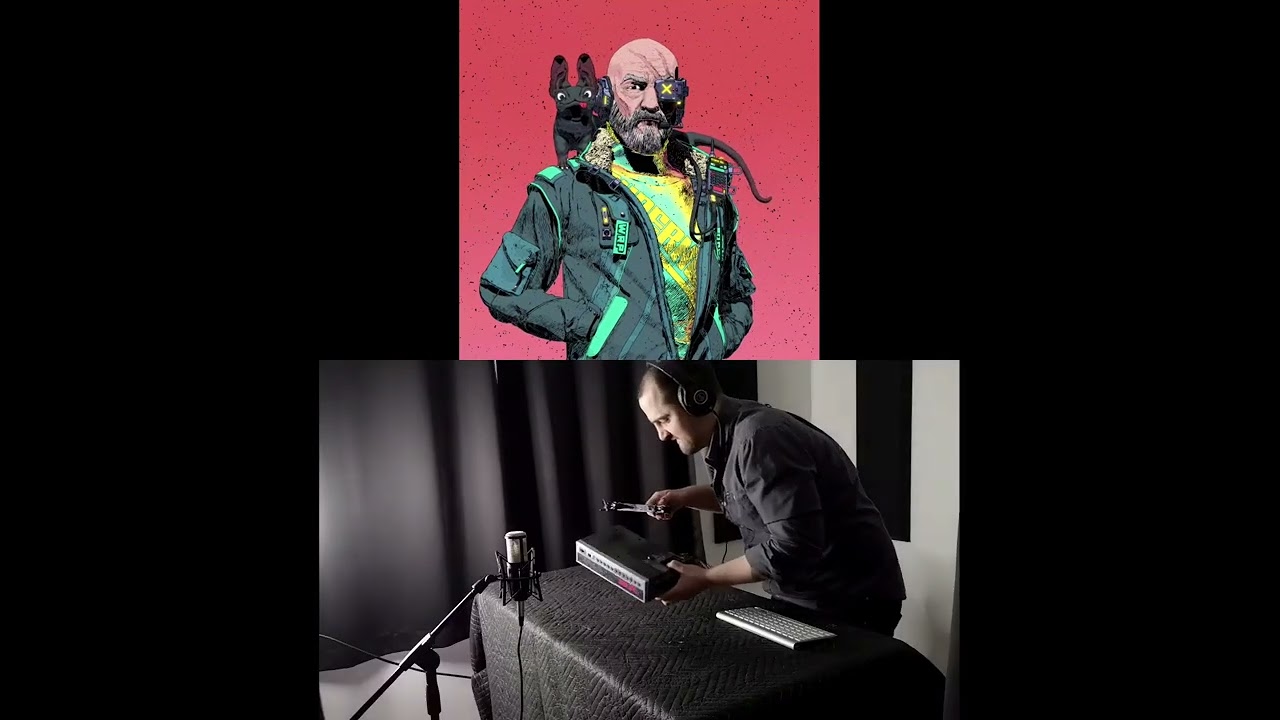
The ship is a Marcolian Ammo Hauler, drawn by the artists at Parallel. A light composite hull, so I wanted it to ring like a bell instead of roar, which is why the whole thing is built on resonant metal.
I wanted to randomise it, then realised a start up is a checklist. Pilots follow a training regimen, so the order stays fixed and only the cadence moves.
One engine loop, pitched into a low RPM and a high RPM layer, with the bass baked in so it holds together at either end.
Recorded by vibrating the edge of a metal bowl against one of the mic wires. It strains without ever leaving the ship’s own key.
A wooden handle slid around the textured outside of the singing bowl, in patterns, then looped.
The large bowl, recorded a particular way for this state alone. Written to be epic rather than sad, so the score can climb into it.
The start up in reverse, same checklist logic, running down through the malfunction layer if the landing has gone badly.
Two resonant metal bowls, a bass and a treble, and a singing bowl with a textured outside. The singing bowl was consolidated into a granular instrument so I could play it like a keyboard, move the file position and the grain size while recording, and hunt octaves for happy accidents.
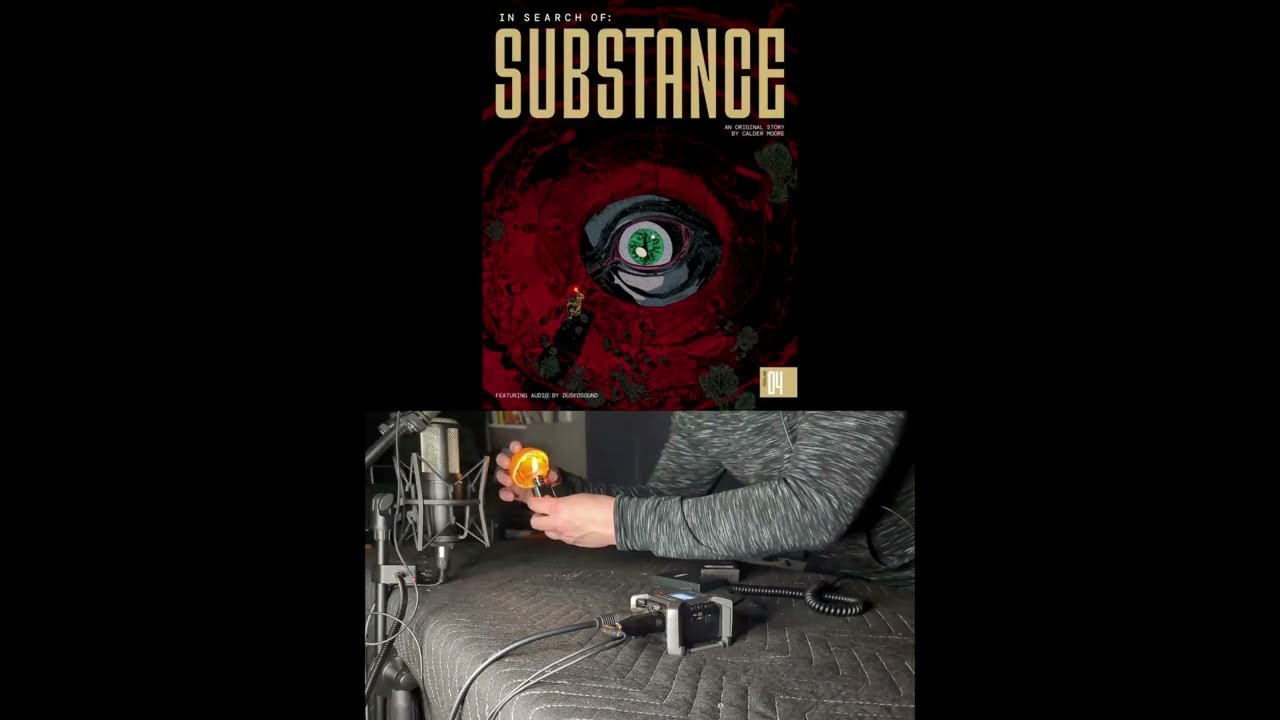
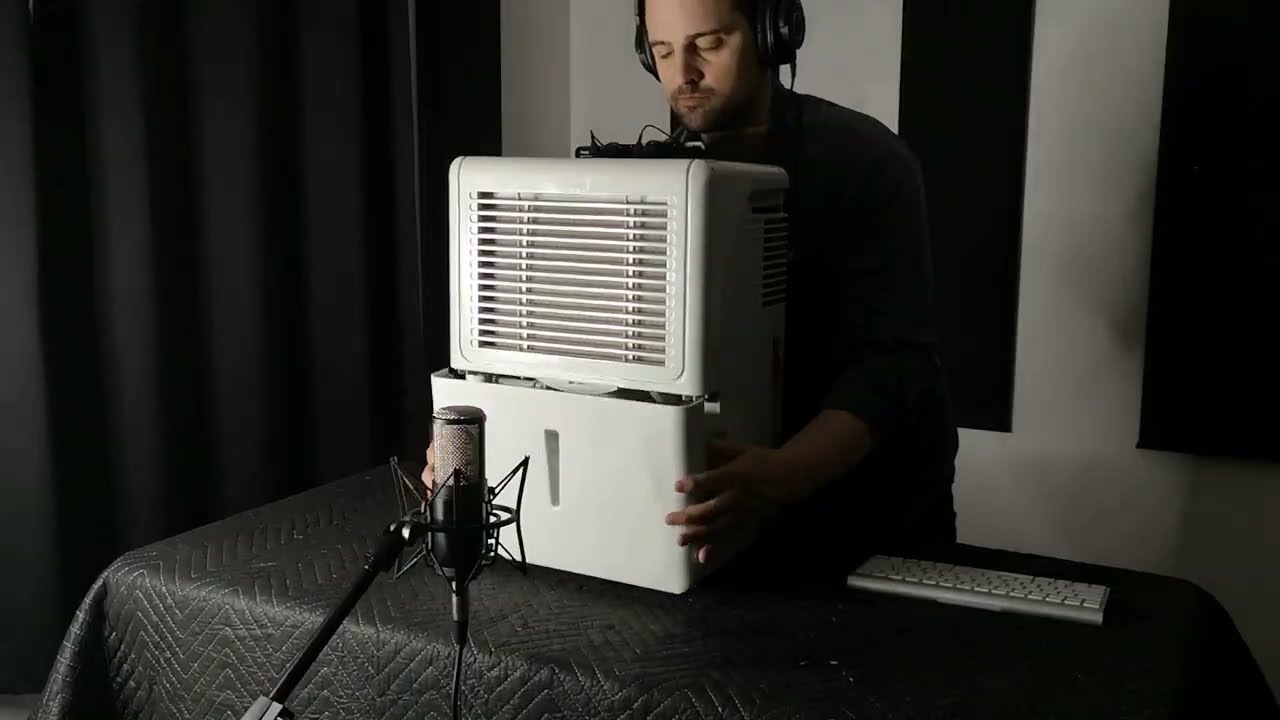
Everything electrical is EMF: a plasma ball, an AM radio, a rotating shop display, a dehumidifier. Cleaned up with spectral denoise in RX, then dropped into Serum as the noise oscillator source with square waves underneath.
The fans I recorded could not give me an air blast, only fan noise, so I recorded a butane torch instead and got the pressurised sound I was after. Crystal wine glasses and ceramic plates gave the hull its rattle and its unusually hard surface.
Mics were an AKG P220 into a Zoom F3, and LOM Usi and Priezor into a Zoom H2n.
The score is in F minor, slow and discordant, because this is not a thrilling children’s adventure. Partway through I found out that one of the bowls I had recorded at random was also an F, which is the kind of luck you take.
More on how these systems get built: adaptive game music.