
The styles I write in
Sci-fi, fantasy and horror is where I am strongest, and the rest is range I am equally open to. Pick any one below and the page shows you only that.
I am a video game composer and film composer based in Vancouver, writing to picture and in engine. Most composers list genres. This page lists projects, so every style below links to work you can go and hear in the thing it was written for: a game you can play, a film on the festival circuit, a browser experience you have to click through to hear the whole cue.
Most at home in sci-fi, fantasy, and horror. The through line is not a genre, it is that the score and the sound design come from the same pair of hands, so the music and the world never fight each other.
World building music for a place that does not exist
Not neon nostalgia. Music written to tell you who runs which block.
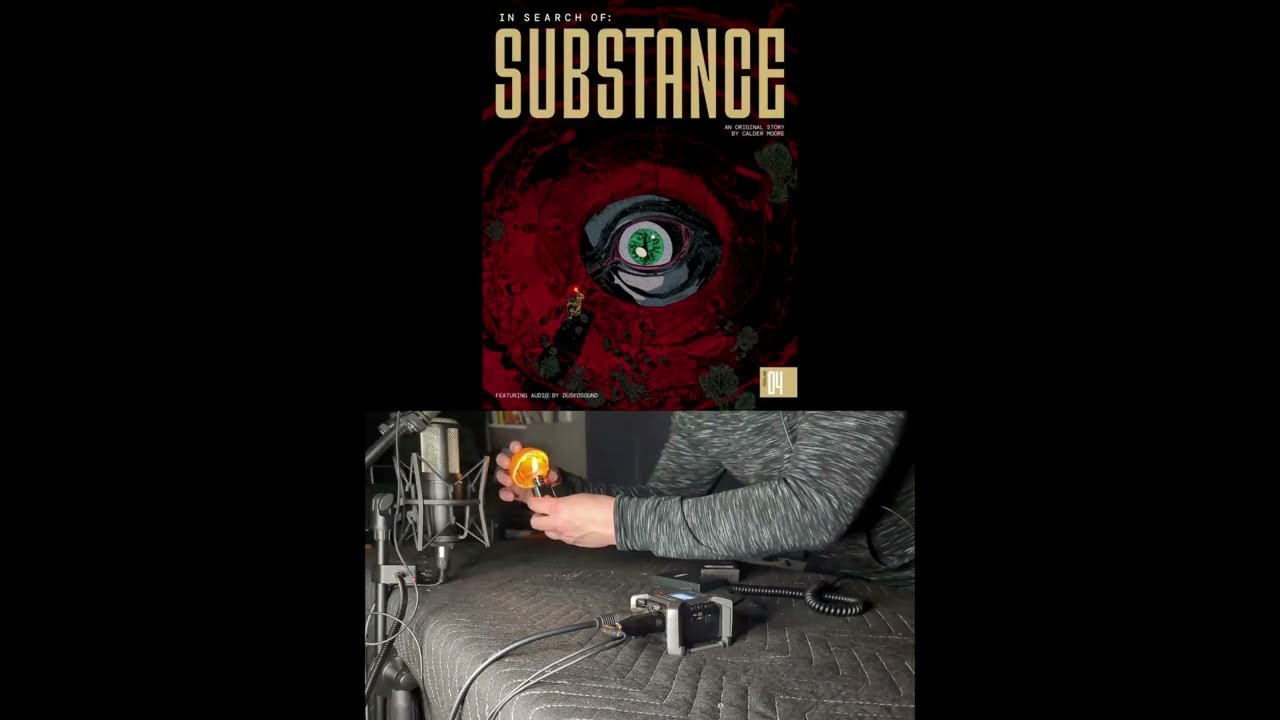
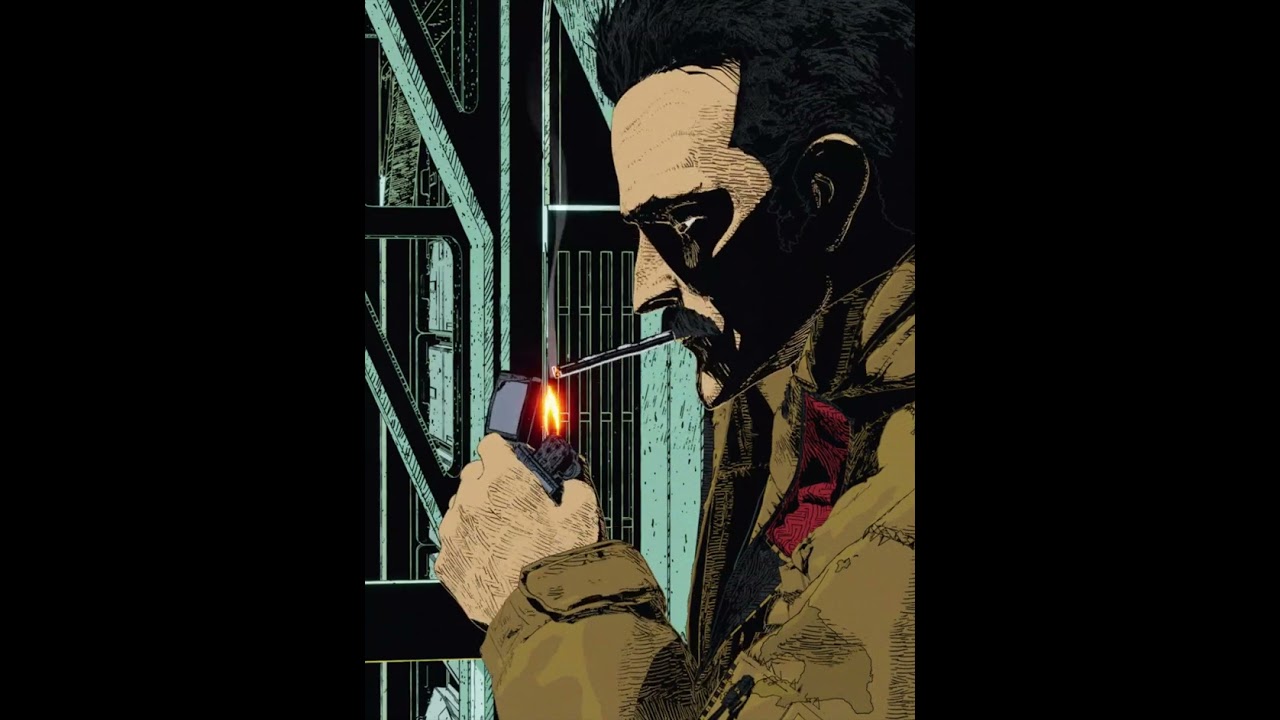
I direct the full audio identity of Calder Moore’s In Search of Substance, and the music side of it is cyberpunk world building. Vulture City has rival gangs who live on top of each other, so the brief was never one cyberpunk theme. It was a distinct sonic identity per faction, close enough that they belong to the same city, separate enough that you know who just walked in.
That is the useful version of this genre. Anyone can buy an arpeggiator. The work is deciding what the city sounds like at street level versus above it, and keeping that consistent across a universe that keeps growing.
I also went and did the research properly. The Cyberpunk Sound is my own teardown of how this music is actually made, every claim graded and every source linked. Short version: almost everyone asks which synth, and the composers themselves say that is the wrong question.
Orchestral horror and dark fantasy, written to be interactive
Strings, brass and choir used for dread rather than spectacle, then broken into stems a game engine can drive.
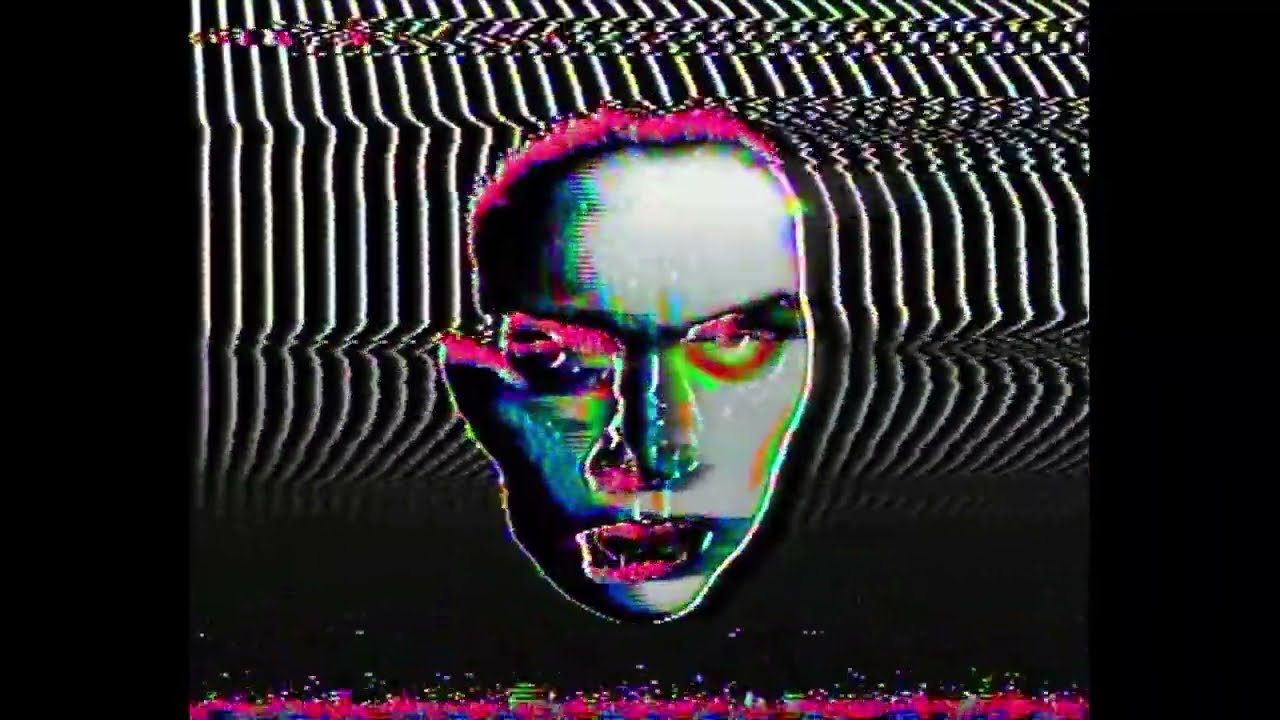
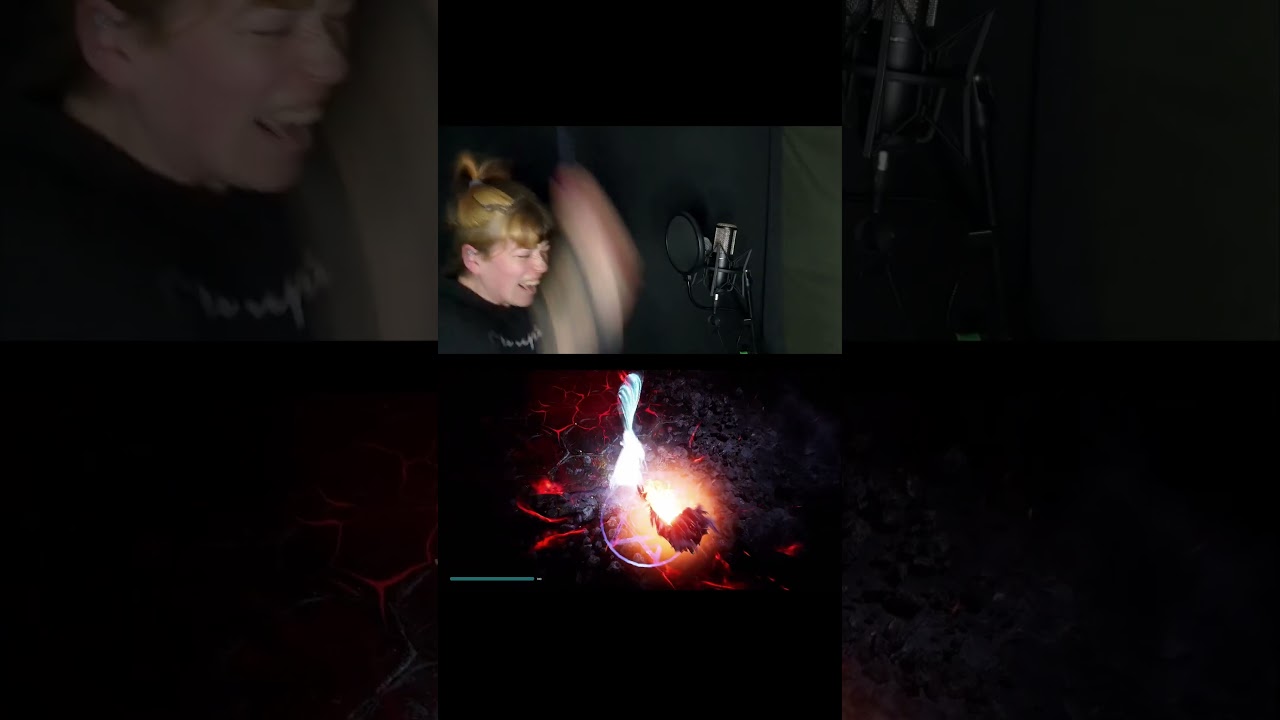
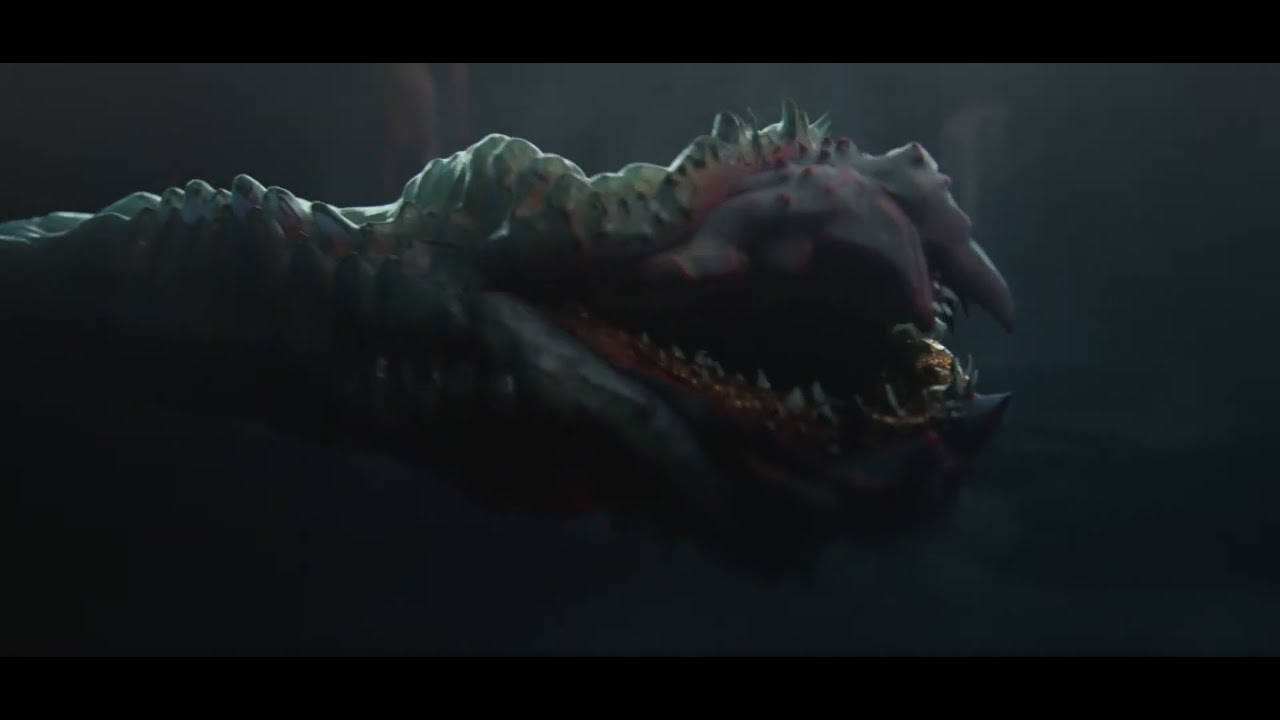
The flagship is FALLEN, a dark cosmic fantasy action game in Unreal Engine 5, featured on IGN. I wrote orchestral horror across five biomes plus a run of cinematics, and it is not a linear soundtrack sitting under the picture. The score is implemented through Blueprint systems in Unreal Engine 5, so the music responds to the biome the player is standing in and to what is happening in the fight.
That is the part most orchestral demos never show. Writing the cue is half the job. The other half is deciding where it splits, what layers exist, and how the engine is allowed to move between them without a seam.
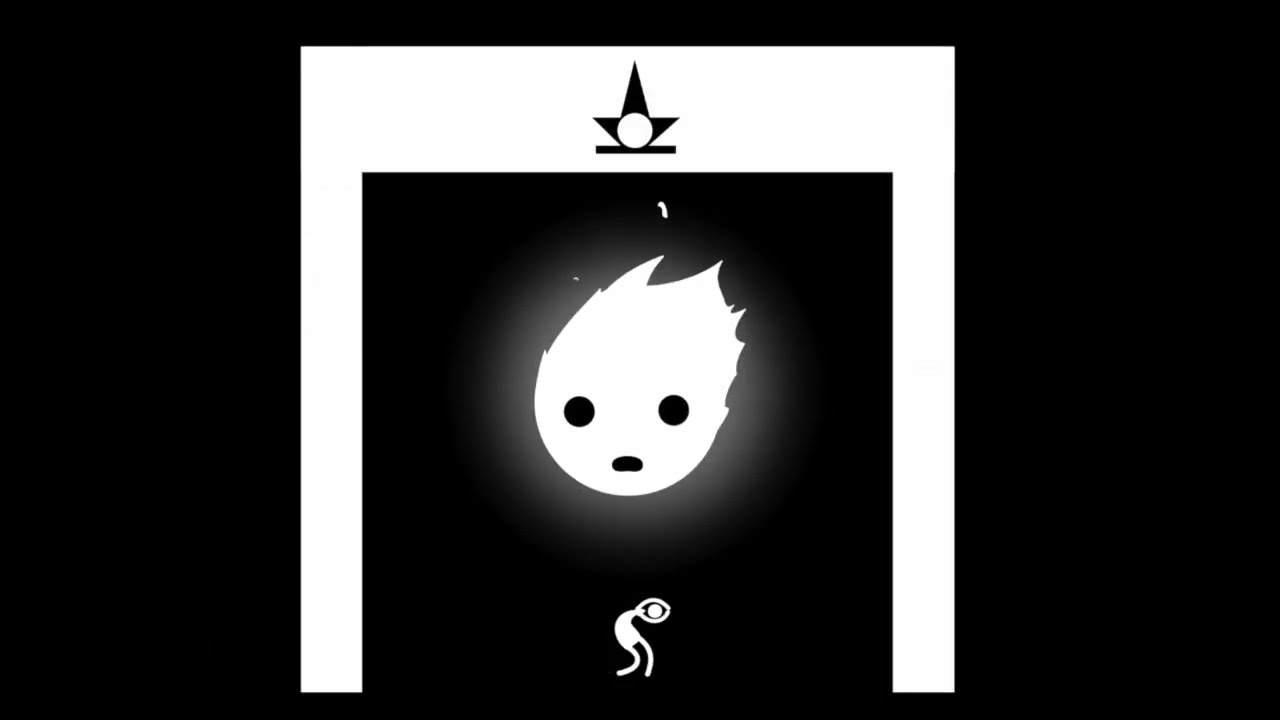
For linear picture, my score for the 2D animated short Monomyth won three Best Music festival awards at Crown, Indiefare and Delta. Same instrumentation, completely different problem: no branching, every hit lands on a frame.
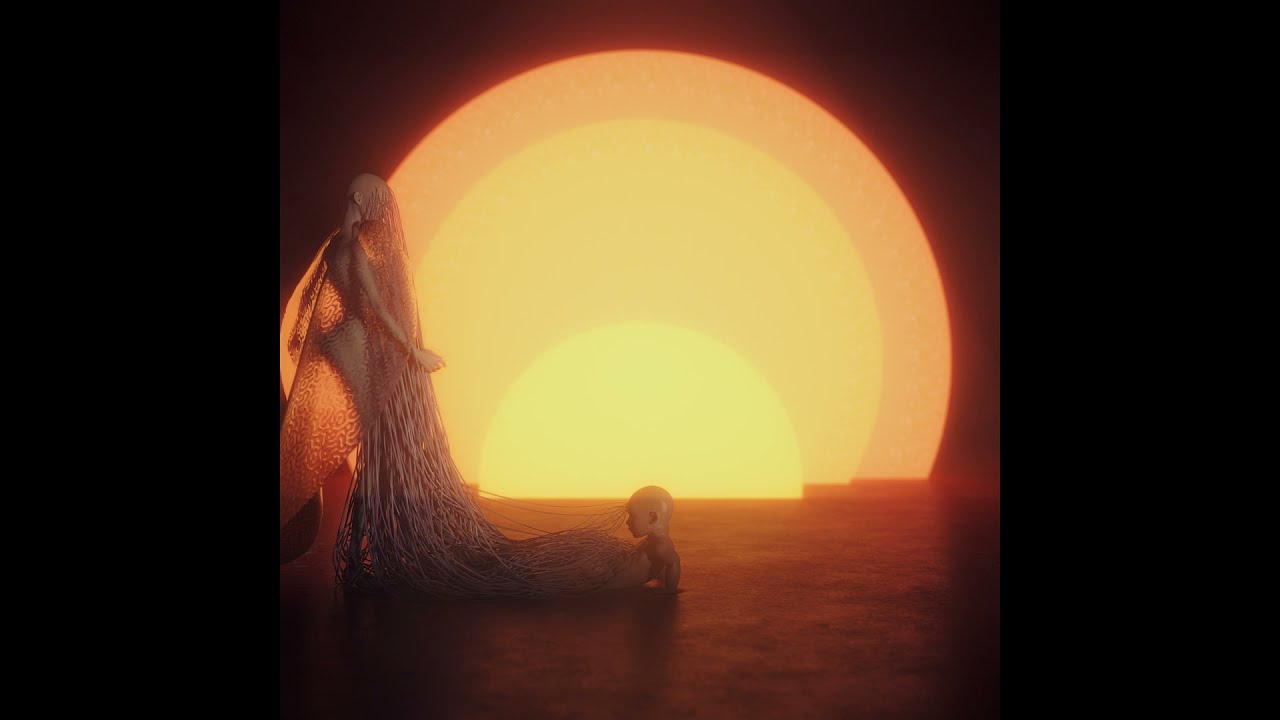
Trailer music, built as one designed event
Score and sound design written together, because in a trailer they are not two jobs.
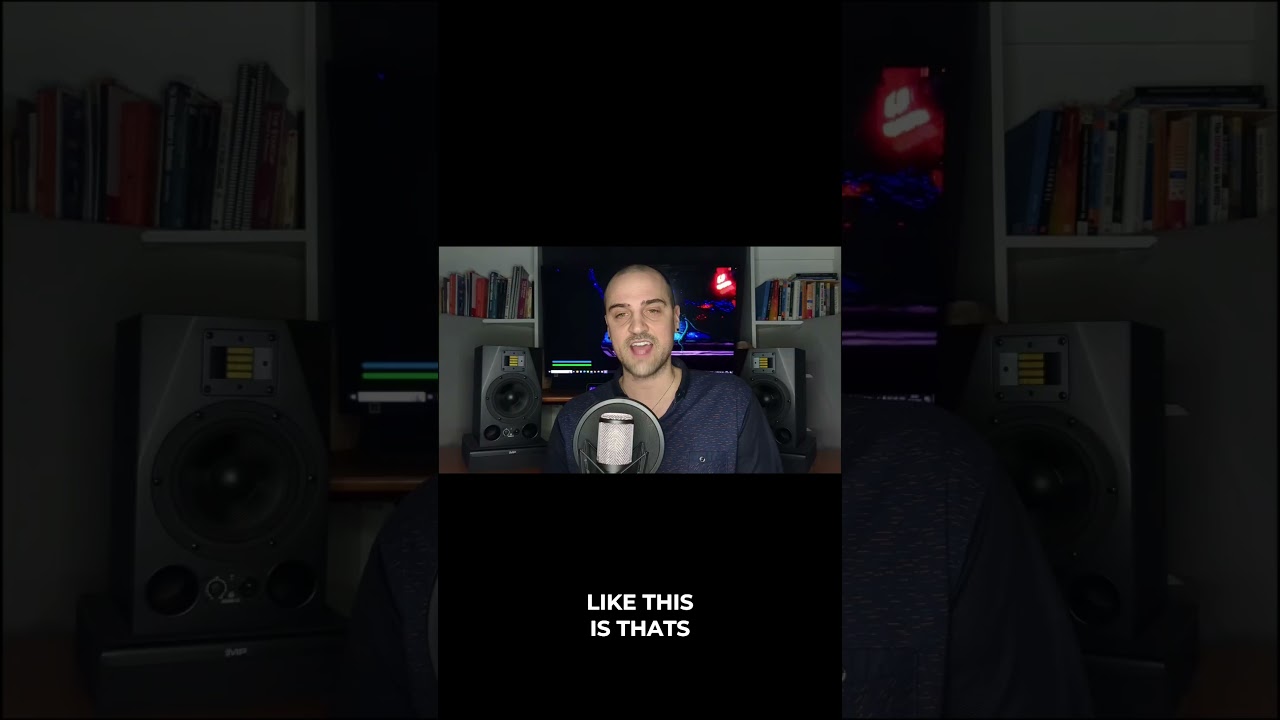
A trailer is not a short piece of score. It is one designed sonic event with a shape: an intimate open, a lone motif with air around it, then a build that adds pulse and ostinato and tension, then the money note, brass and choir and percussion and a sub that moves air, then a hard cut to silence and the logo sting.
The modern palette is hybrid orchestral and electronic: live-sounding strings and brass fused with analog synths, granular and bit-crushed processing, and bass treated as a lead instrument. The stock Inception braam is a cliche now. A designed braam is layered, its sub, mid and tonal parts each given their own attack and decay, then tuned to the key of the cue so the impact is musical rather than just loud.
Because I write the music and design the sound, the hits land where the cuts land, and nothing has to be talked into fitting afterwards. My own catalog is built for exactly this, dark instrumental music for trailers and screen, and I own the master and the publishing on all of it, so a licence is one-stop clearance.
Two are out in the world. The In Search of Substance trailer, cut to the universe I direct the audio for, and the FALLEN trailer, which was used as a publisher-pitch example on stage at DevGAMM Lisbon 2025.
The In Search of Substance case study · The FALLEN case study · Licence a cue from the catalog
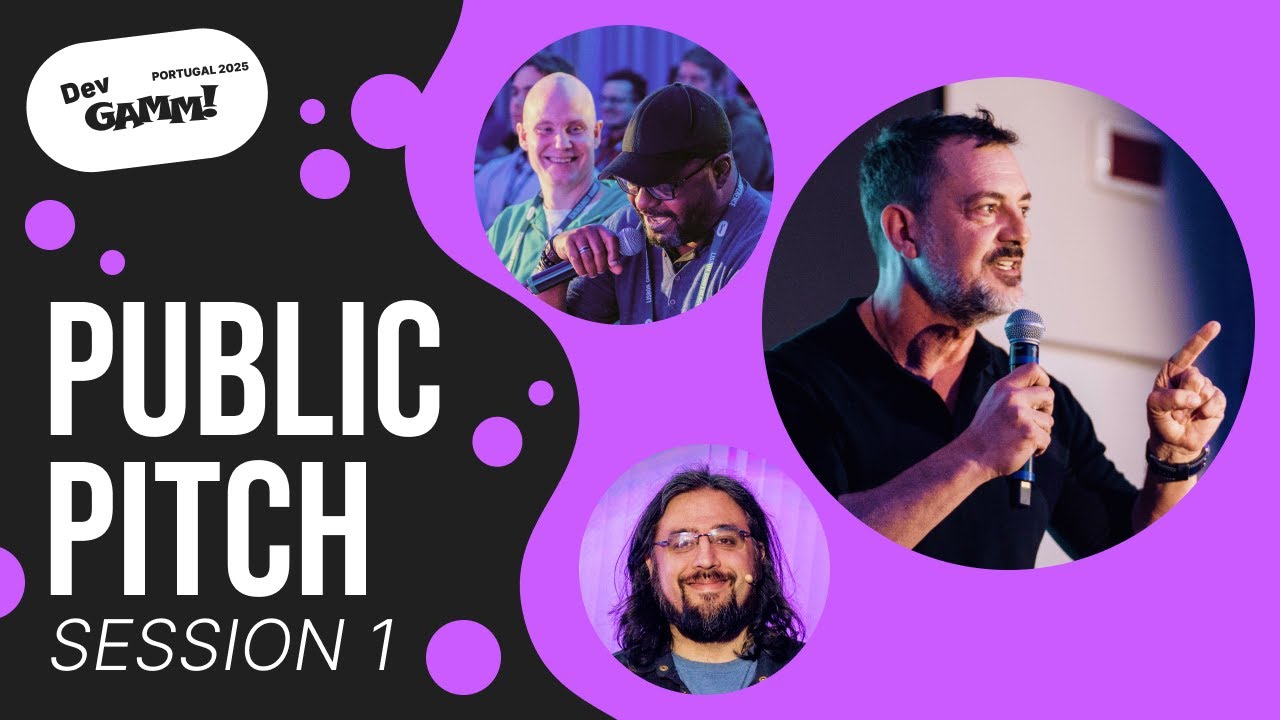
Seventeen years, and plenty of it sits outside the core focus. This part is here so you can see all of it: the games, the films, the browser experiences, the records. I take work in every one of these. Sci-fi, fantasy and horror is just what I lead with, because it is where I am strongest and most of my credits live.
Electronic, modern and retro
The lane I came up in. Released records, a soundbank other producers actually use, and scores built out of the same toolkit.
This is where I started and it is still the deepest part of the toolbox. Artifacts ran to sixteen tracks. It travelled far enough that a full remix album came back, reworked by artists including Ahee, Flintwick, Phydra, Sixis, Smigonaut and Pedestrian Tactics. Before that, the Cycles EP with Sam Winter.
Across the releases and the client work the list runs chiptune, retro, vaporwave, industrial, drum and bass, house, half time, garage, dubstep, footwork and ambient. That range is the point. A brief almost never lands cleanly on one of them, it lands between two.
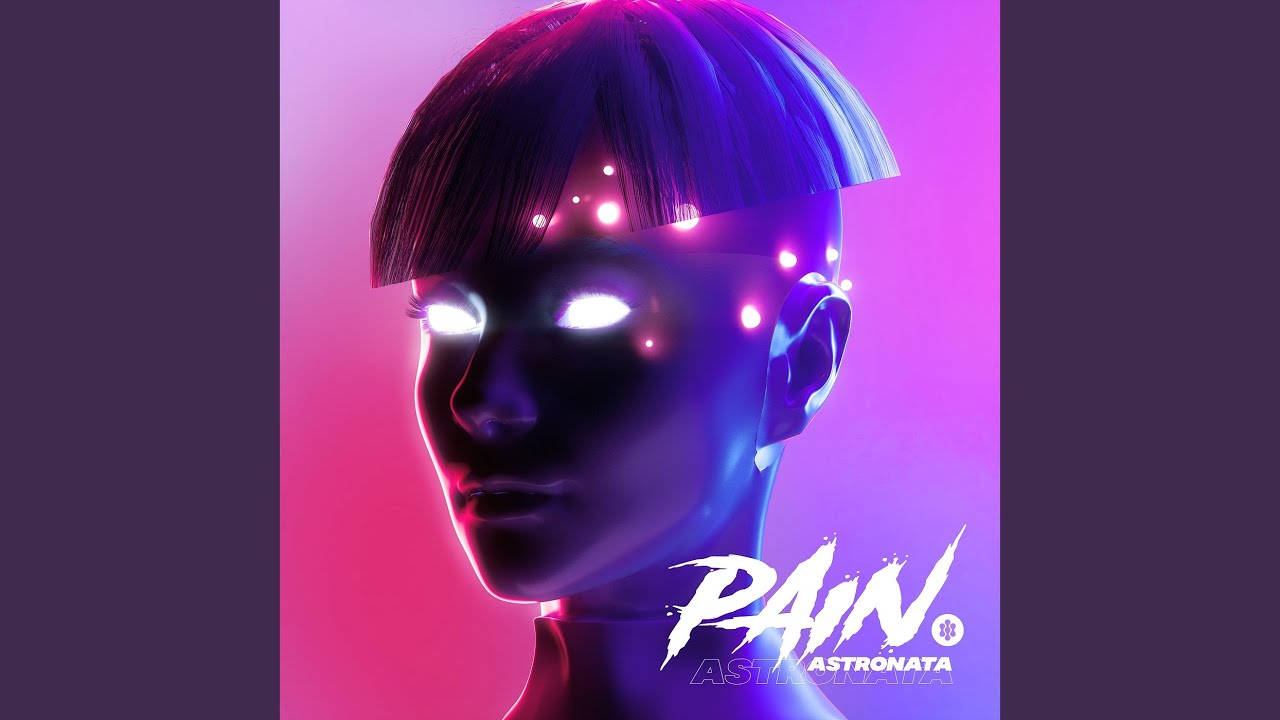
Some of it has travelled further than I expected. Astronata’s “Pain”, remixed by Dusko for Slime Recordings, was picked up by Vogue Russia. Other tracks have run on Inspector Dubplate.
The retro half is not a filter I put on at the end. It is old hardware behaviour, deliberate bandwidth limits, and letting things saturate the way they used to. The modern half is bass design and stereo control, which is what Darkside Funk is built from, my Serum bank and sample pack that carries five-star reviews from Slynk, Stickybuds, David Starfire and Phuture Primitive.
Because I own the master and the publishing on my own catalog, licensing a track is one-stop clearance, a single conversation rather than a rights hunt.
The catalog and licensing · Darkside Funk and the Sci-Fi UI pack
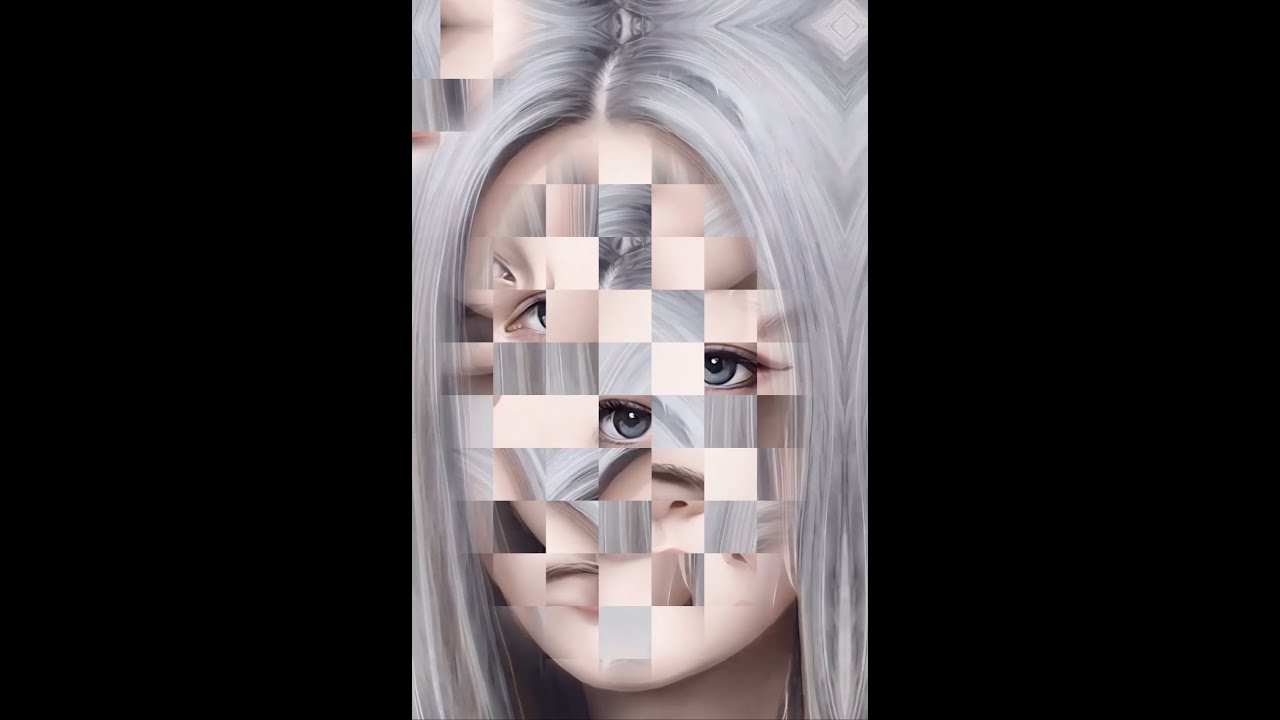

Chiptune and retro electronic, written for things you play
Four browser experiences where the only way to hear the whole cue is to go and play the thing.
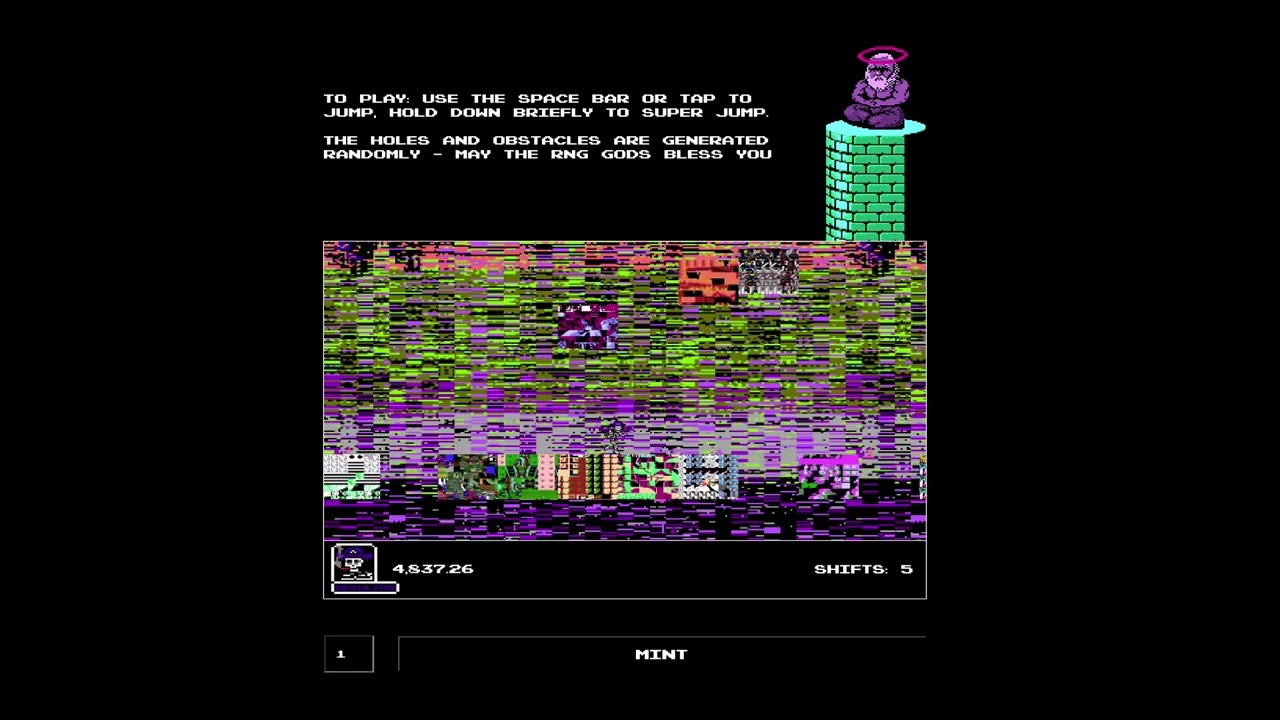
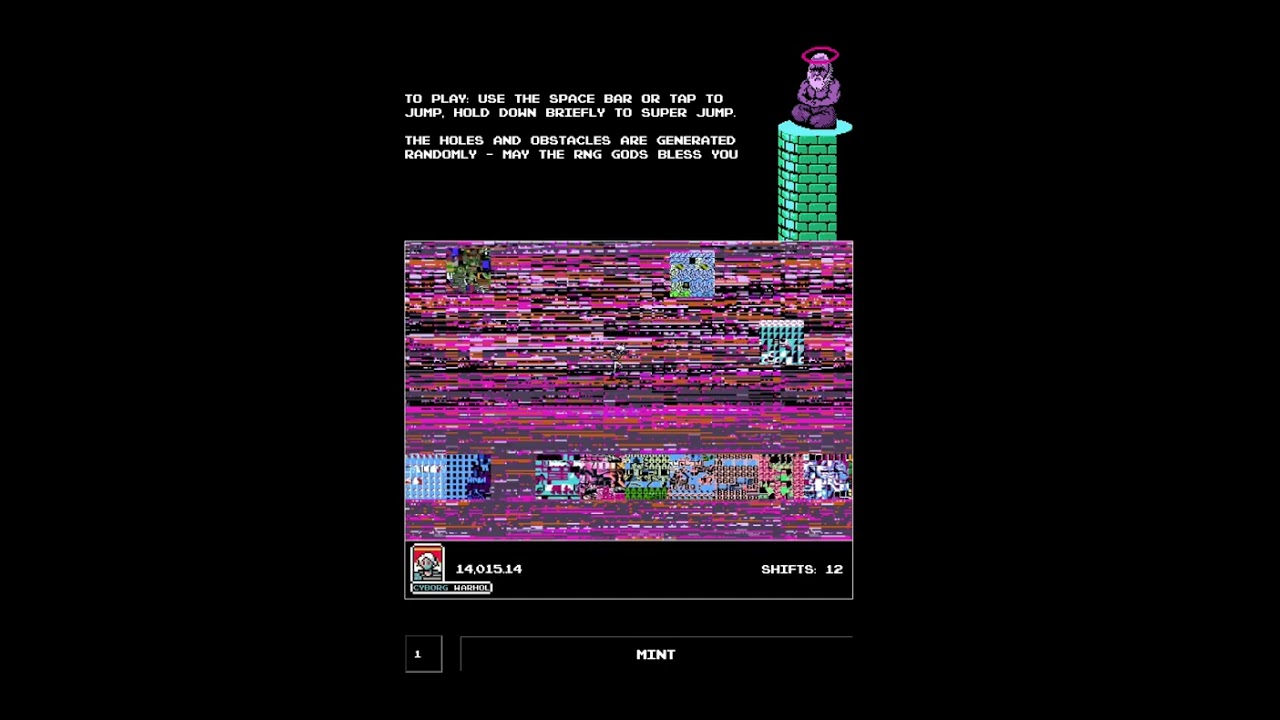
Most of this work is with sgt_slaughtermelon, who glitches NES cartridges to reach spaces the game was never meant to show you. I write the music that goes in those spaces. Four of them are live right now and you can click straight into them.
Inaccessible Worlds, chiptune drum and bass, over a year in the making.
Lost Levels, an NES glitch art game where the chiptune palette meets dubstep form.
Do You Want To Feel Something?, interactive fiction with a selectable score.
I Am Not Good At Computers, a nine minute bed plus a stinger, loaded straight into the browser.
The approach is deliberately impure. A chiptune palette, then layering and processing that break every chiptune rule, with frequency masking used on purpose to get the lo-fi weight. I was playing the NES before I could walk, so the nostalgia is not researched, it is just there.
Jazz and funk, played like a band in the room
Big room jazz. Horns, upright feel and a rhythm section. Shown as range, and still open for hire.
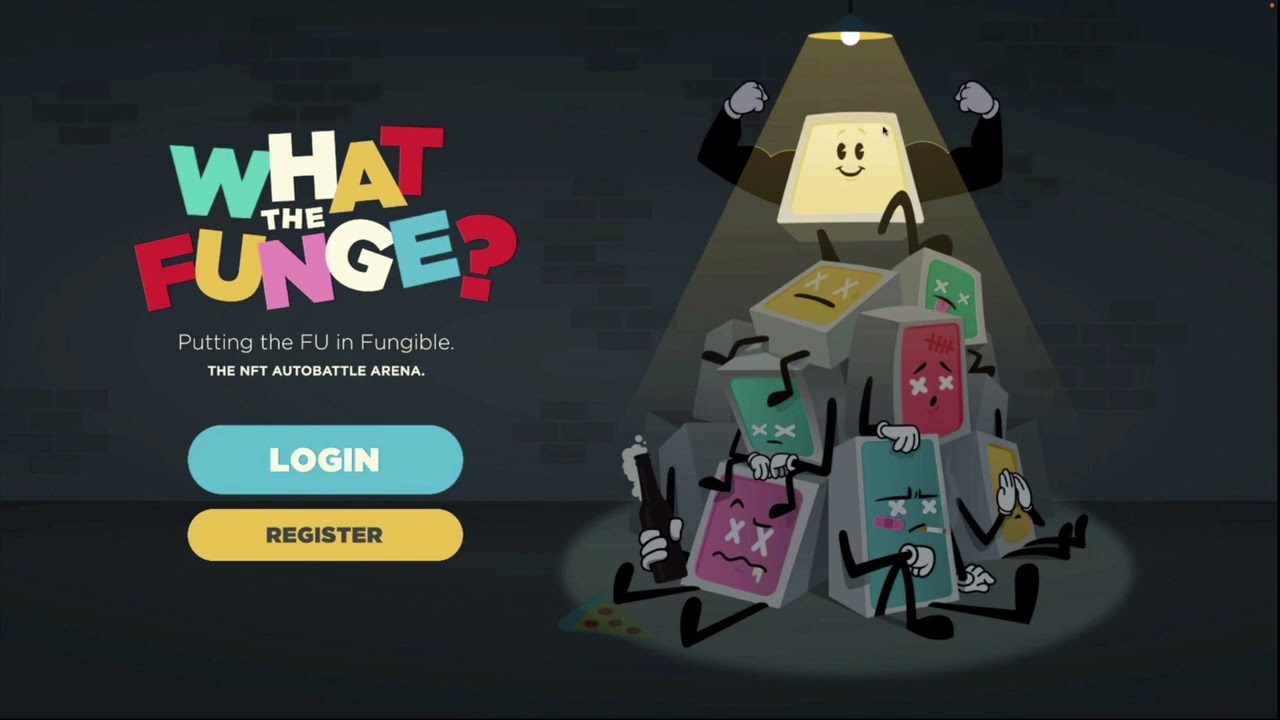
This one is here to show range rather than as a headline offer, but it is real work and I will take more of it. It comes from a credit: What The Funge, an auto battler, scored in jazz and funk. My own name for it is big room jazz, a full band sound with the space of a real room around it, swinging rather than gridded. In game terms it is casual game music, which has to stay likeable for hours because the player hears it on a loop.
It is worth showing because it is the hardest thing to fake. Nobody forgives synthetic drums the way they forgive a synthetic orchestra, so the tells are the ones a programmer skips: a kit that changes weight when it gets loud, a bass that sits slightly behind, horns that breathe between phrases, and an arrangement that leaves room instead of filling every bar.
Same skill covers source music: the track on the bar radio, the demo the character’s band recorded in a garage, the song playing two rooms away. Seventeen years includes session musician and touring performer, so when a part has to sound played, it gets played.
Not sure which one your project needs?
That is a normal place to start. Most projects end up between two of these, and the interesting ones sit somewhere nobody has named yet.
Tell me what the world is and who is in it. I will tell you what it should sound like, and what it costs, on the call. Music is priced per finished minute, or all-in with sound design and the final mix from one author, with a $500 project minimum.
